
About

The Work Behind the Work

Social justice education rooted in Context, Commitment, and Community.

MY STory

Why This Work. Why Now.

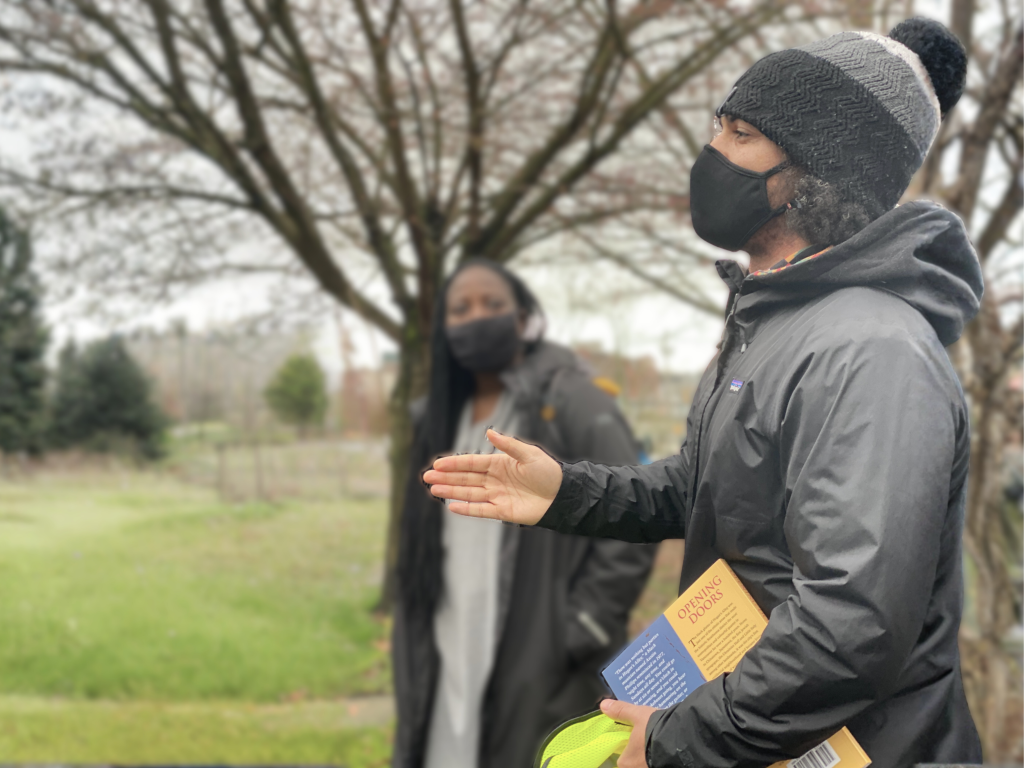
My name is Nigel Amenu-Tekaa (he/him). I came to this work not through a school curriculum, but through the gaps in one. As a student, I learned history that was incomplete — stories that centred some and erased others. I also learned that not all identities were reflected — and that has weight to it.  As an educator and community member, I saw those same gaps replicated in schools, organizations, and institutions that genuinely wanted to do better but didn’t know where to start.

We work to close those gaps. I work with schools and organizations to build the knowledge, language, and practices needed to move from good intentions to grounded action.

This isn’t about checking a box. It’s about building the capacity to teach what we were never taught — and to lead with the understanding that equity requires ongoing learning, not a single workshop.

MY APPROACH

Context. Commitment. Community.

These three prinicples aren’t steps in a process; they’re the foundation every session, workshop and strategy is built on.

01

Context

Anti-oppression work cannot be separated from history. Before we can talk about what’s happening now, we need to understand how we got here — the systems, policies, and ideologies that shaped the world we’re trying to change. My sessions ground participants in that history so the present makes sense, and the work doesn’t feel abstract.

02

commitment

Equity work is not an event. It’s a practice. Commitment means showing up consistently — even when it’s uncomfortable, even when progress is slow, and especially when the urgency fades. I help schools and organizations build the internal conditions — shared language, clear expectations, accountability structures — that make sustained commitment possible.

03

community

The most effective anti-oppression work happens in relationship. That means centering the voices most impacted, building trust across difference, and recognizing that no one person or program holds all the answers. My approach is collaborative by design — the goal is always to strengthen the community doing the work, not to create dependence on the consultant.

the Mark

A Symbol with Meaning.

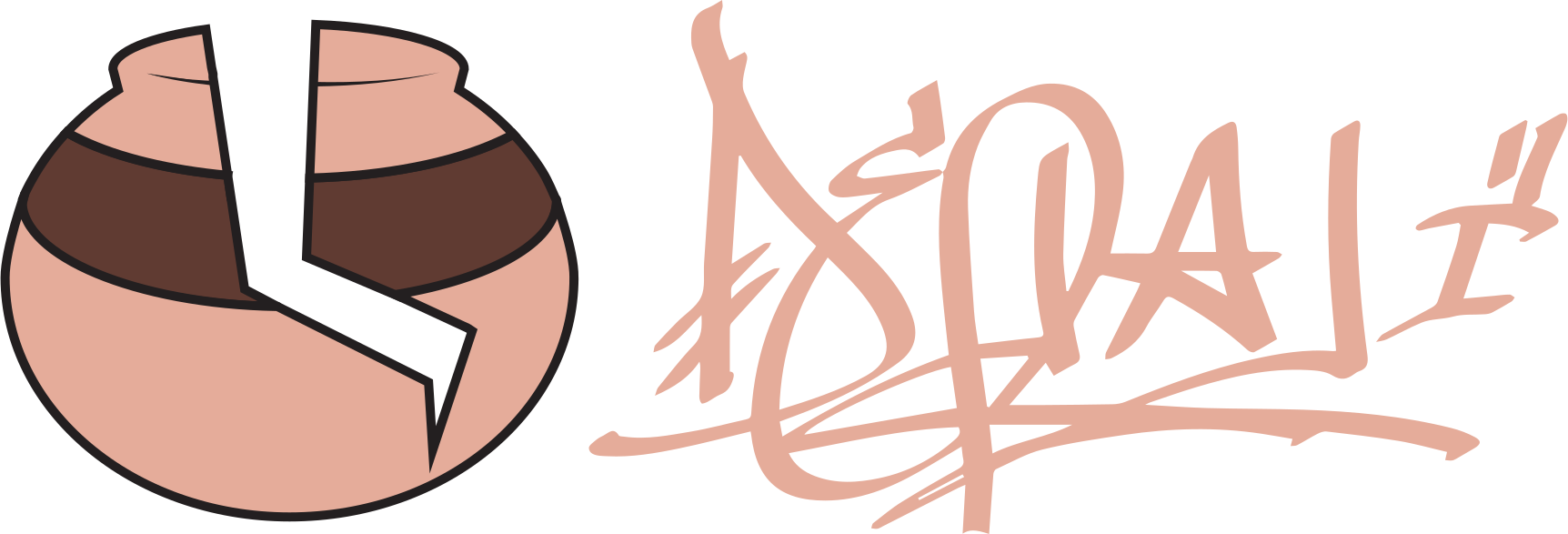
is the Eʋe word for a clay pot — a symbol of preparedness. The Eʋe are an ethnic group indigenous to the coastal regions of present-day Ghana, Togo, Benin and Nigeria in West Africa. An Eʋe proverb says: “zɛ mabimabi meyia to gbo to,” or a half-baked pot is not taken to the pond. A vessel that has not been properly fired will not withstand the work it is meant to carry.

In equity practice, urgency often outpaces readiness. This work asks for preparation; the kind that allows change to hold its shape under pressure rather than crack when tested.

But even a well-made pot can break. “Tɔ me delae gba zɛ” — the one who fetches water is the one who breaks the pot. Sometimes, in the act of doing what needs to be done, we make mistakes. What matters is not the breaking, it is how we respond: with accountability, care, and humility.

This is the soil this work grows from.

zɛgbagba (broken pot)​

Background

Grounded in Practice.

Over 13 years’ experience as classroom teacher, including in alternative programs, non-profit youth academies and liberation school.

District-level experience supporting 116 school communities as an anti-racism/oppression resource teacher.

Bachelor of Education (B.Ed.) with ongoing professional learning in anti-racism, equity and anti-oppression and culturally-responsive practice.

Facilitator of professional learning for educators on anti-racism, toxic masculinity, and social media/online safety grounded, in Canadian and BC-specific contexts.

Curriculum and resource developer on the history and ongoing impacts of racism using a “Canadian” lens, including anti-Black racism, Afrofuturism, and Canadian Black history.

What others say

Trusted by Educators and Organizations

Static overlay

I have been using [Nigel's] masculinity [resource] ... and it's been really wonderful how engaged our typically-resistant students (boys) are. ... Seriously: it's one of the most powerful and valuable teaching resources that I have ever used! They are so engaged ... it's been wild to see how the boys are all seeing elements of [toxic masculinity] in their own experience. And the girls are both nodding along and making parallels to their own structural issues."

Gr. 5/6 Resource Teacher
Masculinity Resource
Norquay Elementary
previous arrow
next arrow

Ready to bring this work to your School or Organization?

Every school and organization starts somewhere. Let’s figure out where you are and where you want to go.

Scroll to Top